Exhibit 02 — The Show
About the play
It is about people coping with social isolation and displacement caused by institutional failure and governmental indifference. It is about a play that dramatizes an oral history project — and becomes that project.
Queensbridge is about Queensbridge Houses, the nation's largest public housing project — and about what it means for a government to define a place where people live as a “project.”
It is about characters, some appealing and some not, revealing their humanity. A man called Pharaoh holds court for an interviewer recording the history of his home. Around him, the neighbors of six decades return: Mrs. Russell, worn down by the Nabisco line; Jay Tay, who built a crew to protect his mother; Mrs. Treadway and her coded quilts; Mr. Habig, who counts everything; the Manfredos at the window; Mr. Rosenberg with his catalogs. Each is a record of how a person arrives in a place like this — and what the place makes of them.
It is political but not partisan. Threaded through every memory is the Voice of NYCHA — the smooth, official account of the development — contradicted, line by line, by the people who actually lived there.
“It doesn't break down the fourth wall because there is no fourth wall. From the moment the play begins, the audience is part of the performance. It is not passive. It is a character in the work.” — Playwright’s statement
The idyll and the record
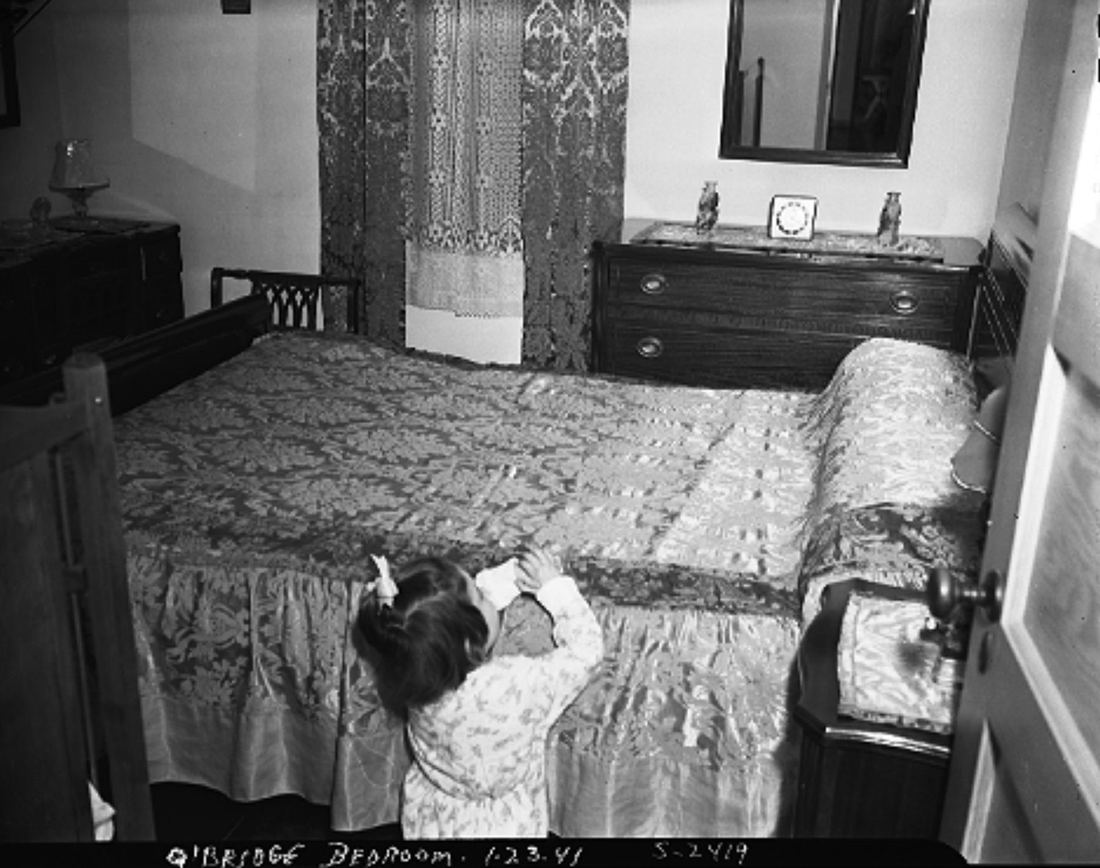
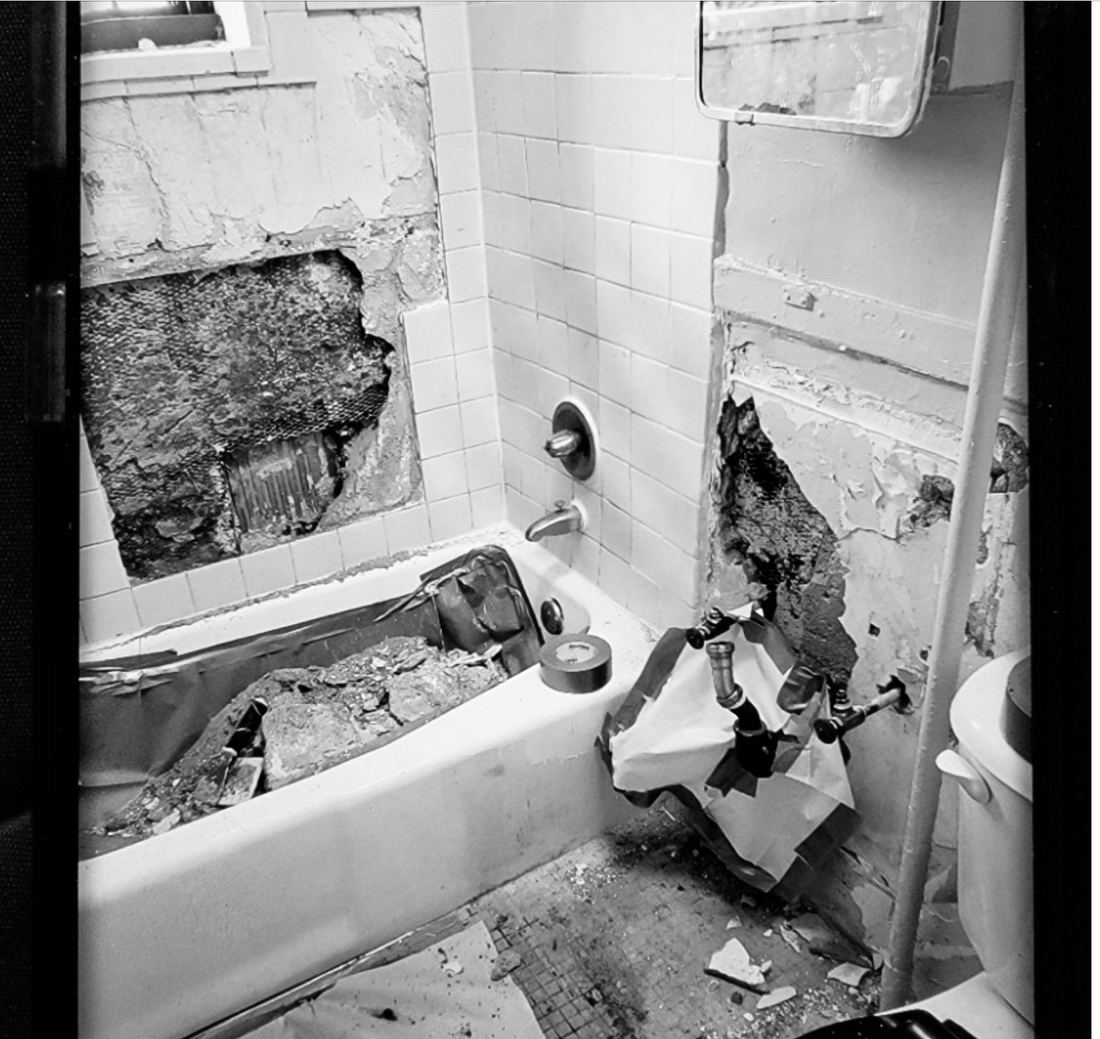
The play opens on images of Queensbridge as it was sold — an idyllic urban environment of the 1940s and ’50s — alternating with the disrepair that followed, as the urban soundscape rises and settles beneath the landlord’s welcome.
Development history
How it got here
-
July–Aug 2022
The Secret Theatre · Woodside, NY
A fifteen-minute version is presented in the One Act Festival.
-
2022
Equity Library Theater
A ten-minute version is accepted for the summer program; not performed, owing to casting.
-
2022
Emerging Artists Theatre · New Works Series
A thirty-minute version is programmed; the production is cancelled by a case of COVID-19.
-
Now
The full-length play
The complete Queensbridge moves toward its premiere. See upcoming performances →